Common Mistakes When Choosing Furniture Size and How to Avoid Them


Understanding Space and Proportions
Choosing the right furniture size is crucial for creating a harmonious and functional living space. One common mistake is neglecting to measure your room and the furniture pieces. Before purchasing, ensure you have precise measurements of your space, including windows, doors, and any architectural features.
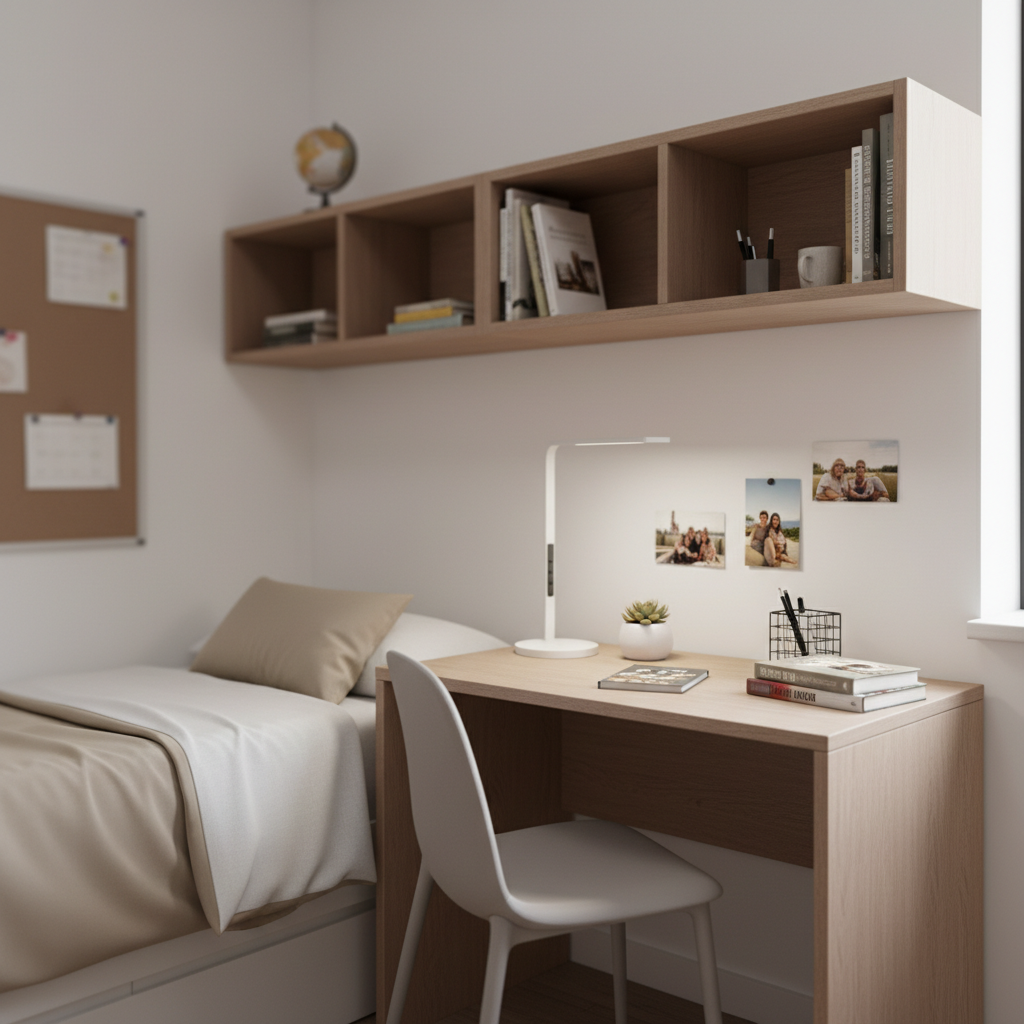
It's also essential to consider the proportions of the furniture relative to the room. Oversized furniture can overwhelm a small space, while tiny pieces may look awkward in a large area. Maintain a balance by selecting pieces that complement your room's dimensions.
Ignoring Traffic Flow
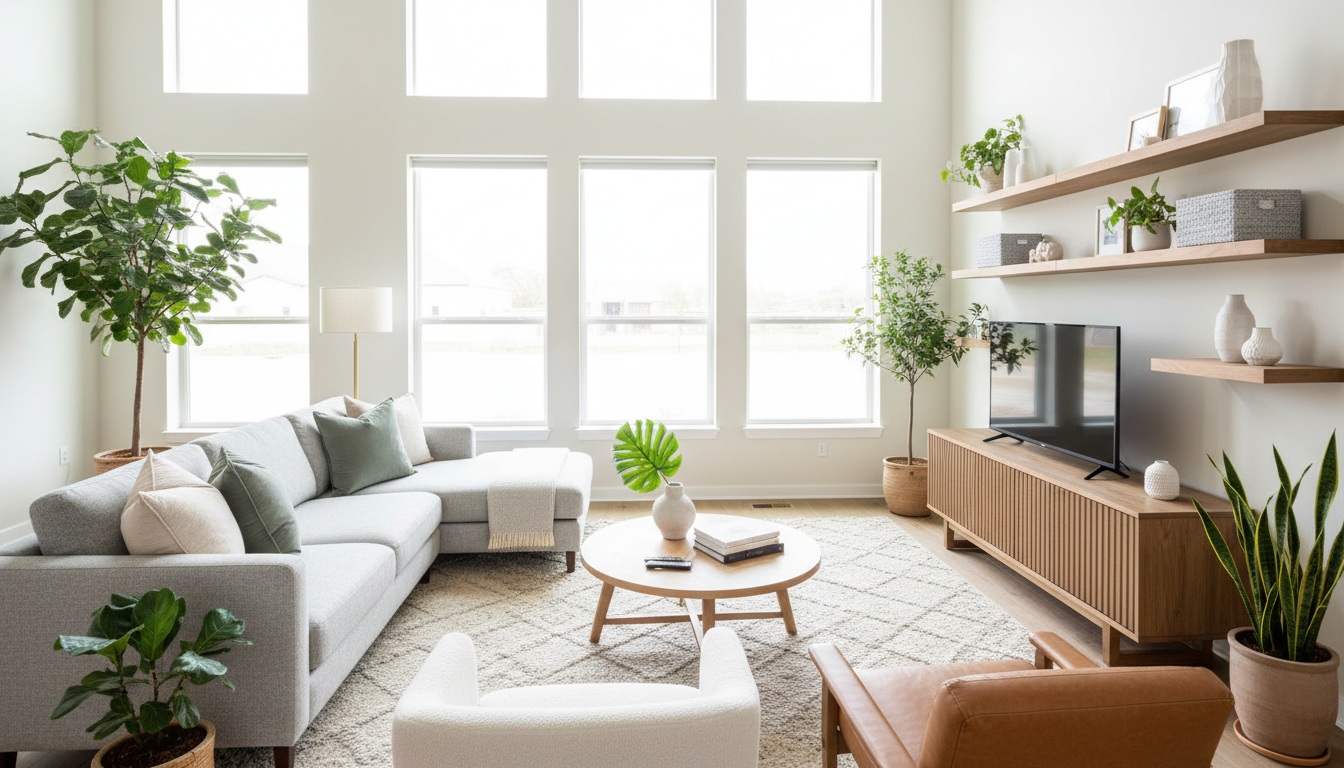
Another frequent error is ignoring the natural flow of movement within a room. Ensure there's enough space for people to move around comfortably without bumping into furniture. A good rule of thumb is to allow at least 18 inches of walkway between pieces.
Consider how each piece will be used and placed. For instance, a coffee table should be within reach of the seating area but not so close that it hinders movement. Thoughtful placement can enhance both functionality and aesthetics.
Overlooking Multi-Functional Furniture
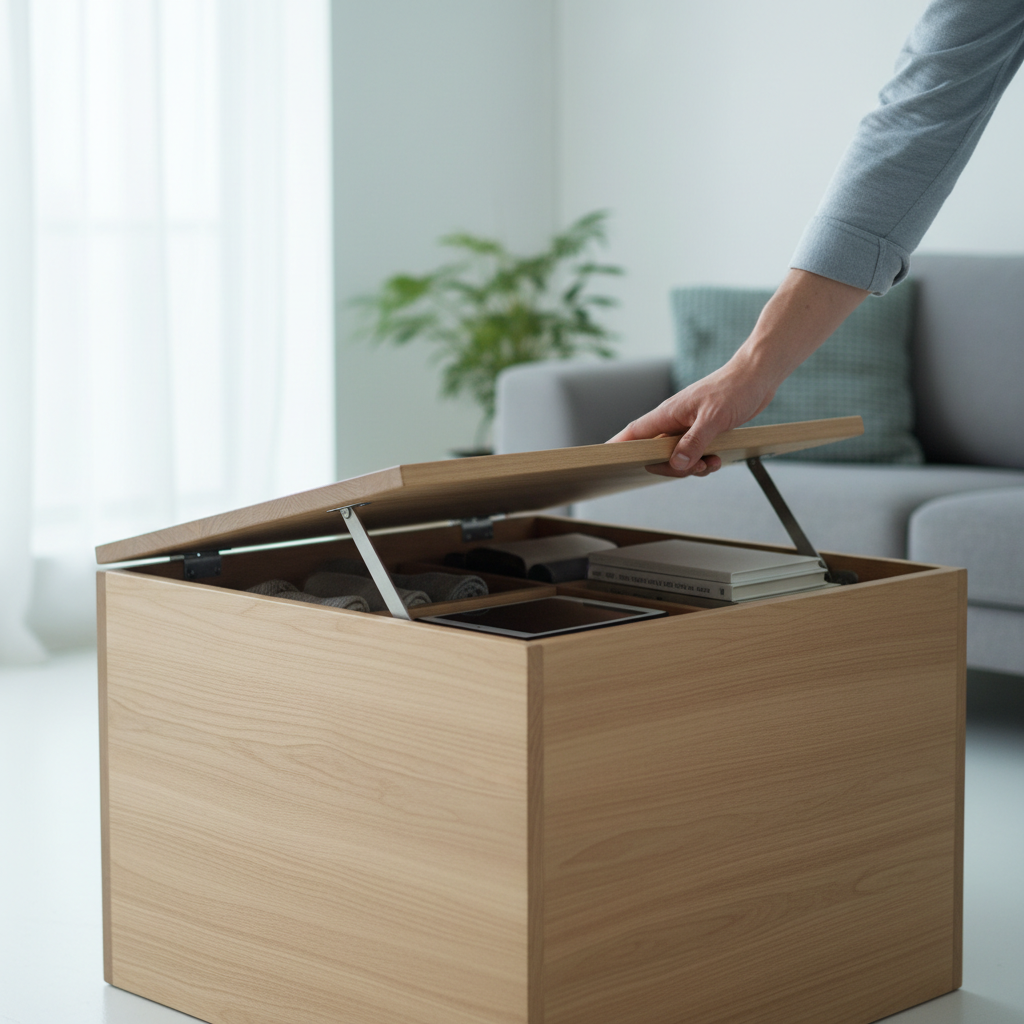
In today's compact living spaces, multi-functional furniture can be a game-changer. People often forget to consider furniture that serves multiple purposes, which can save space and add convenience. Look for items like sofa beds, extendable dining tables, or storage ottomans.
These pieces not only save space but also offer versatility, allowing you to adapt your space for different needs and occasions. When selecting multi-functional furniture, ensure it fits well in both its primary and secondary functions.
Not Testing Before Buying
Online shopping has made it easy to overlook the importance of testing furniture before buying. It's crucial to see, touch, and experience the furniture in person when possible. Sit on sofas, lie on beds, and open drawers to check for comfort and quality.
If purchasing online is your only option, thoroughly read reviews and check return policies. Many retailers offer generous return windows, allowing you to test the furniture in your home and return it if it doesn't fit well.
Neglecting Style Consistency
Finally, neglecting style consistency can lead to a disjointed look. Ensure that your furniture pieces complement each other and fit within the overall aesthetic of your home. Consider color schemes, materials, and design styles to create a cohesive look.
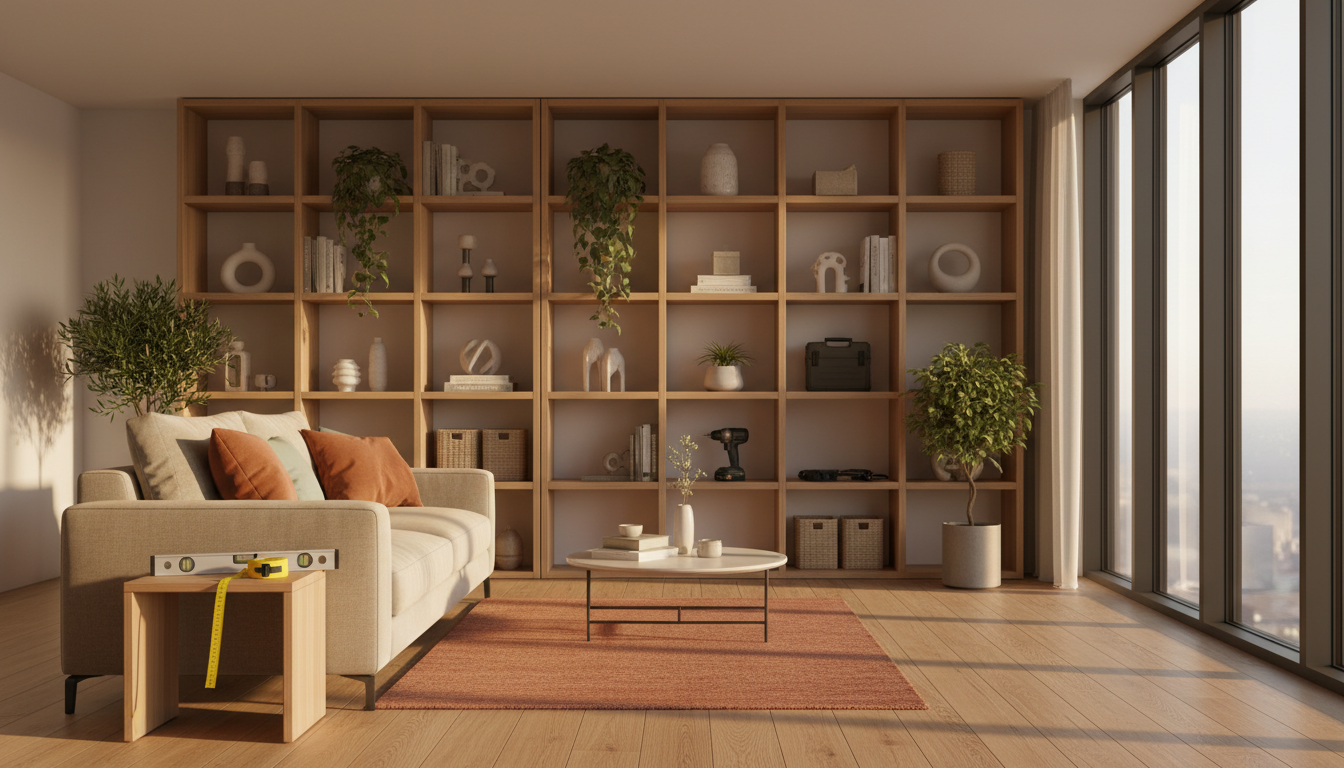
Mixing too many styles can create visual chaos, while a consistent theme can make your space look thoughtfully curated. Balance is key, and a few statement pieces can add character without overwhelming the space.