Expert Advice on Choosing the Right Home Decor Styles for Your Space


Understanding Your Personal Style
When it comes to home decor, the first step is understanding your personal style. Are you drawn to the modern simplicity of minimalism, or do you prefer the warmth of rustic charm? Recognizing what resonates with you will guide your choices and create a cohesive look that feels authentic.
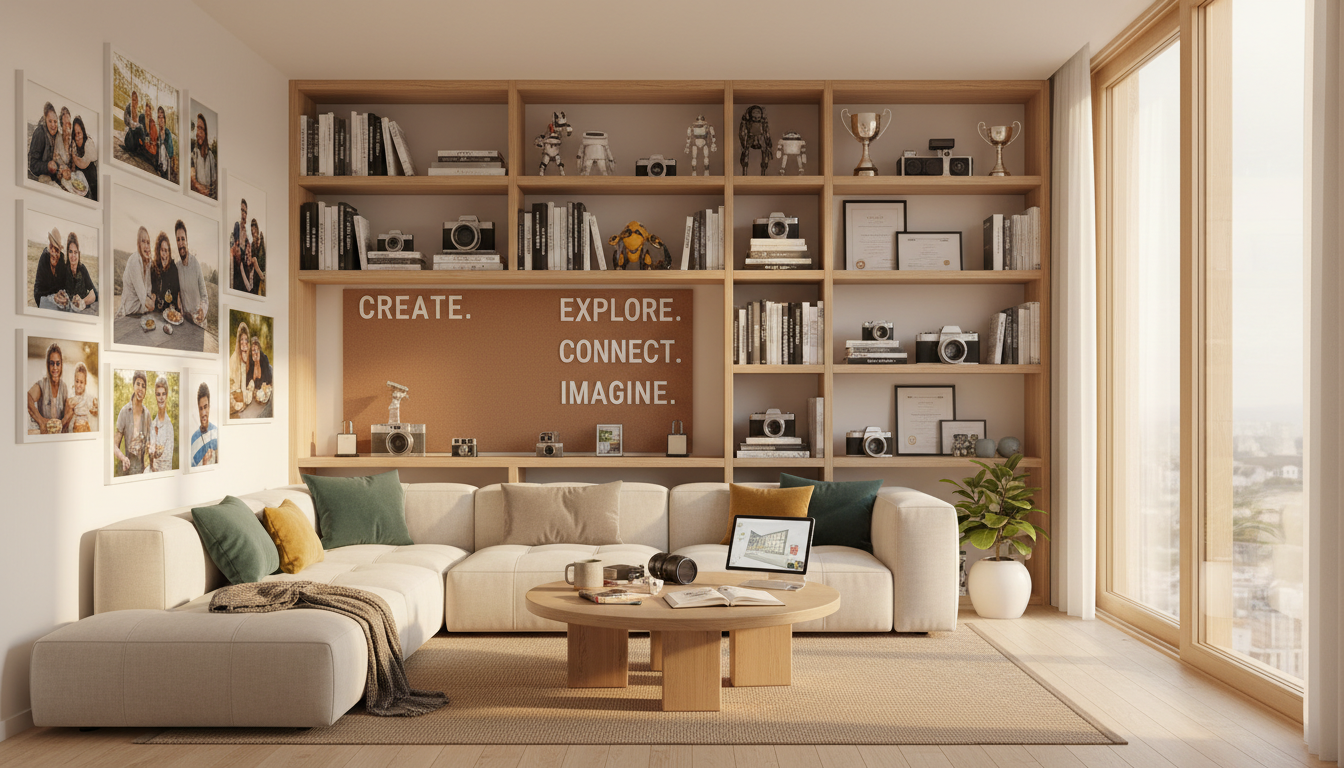
Consider creating a mood board with images, textures, and colors that appeal to you. This visual representation can serve as a valuable reference point as you make decisions about decor elements. Remember, your home should reflect your personality and lifestyle.
Taking Space and Functionality into Account
While aesthetics are important, functionality is equally crucial. Think about how you use each space and what you need in terms of practicality. For instance, a family room may require durable fabrics and ample seating, while a home office might benefit from ergonomic furniture and good lighting.
Measure your space carefully to ensure that furniture fits comfortably and allows for easy movement. Overcrowding a room can make it feel cramped, while too little furniture may leave it feeling sparse. Strike a balance between form and function to create a harmonious environment.
Choosing the Right Color Palette
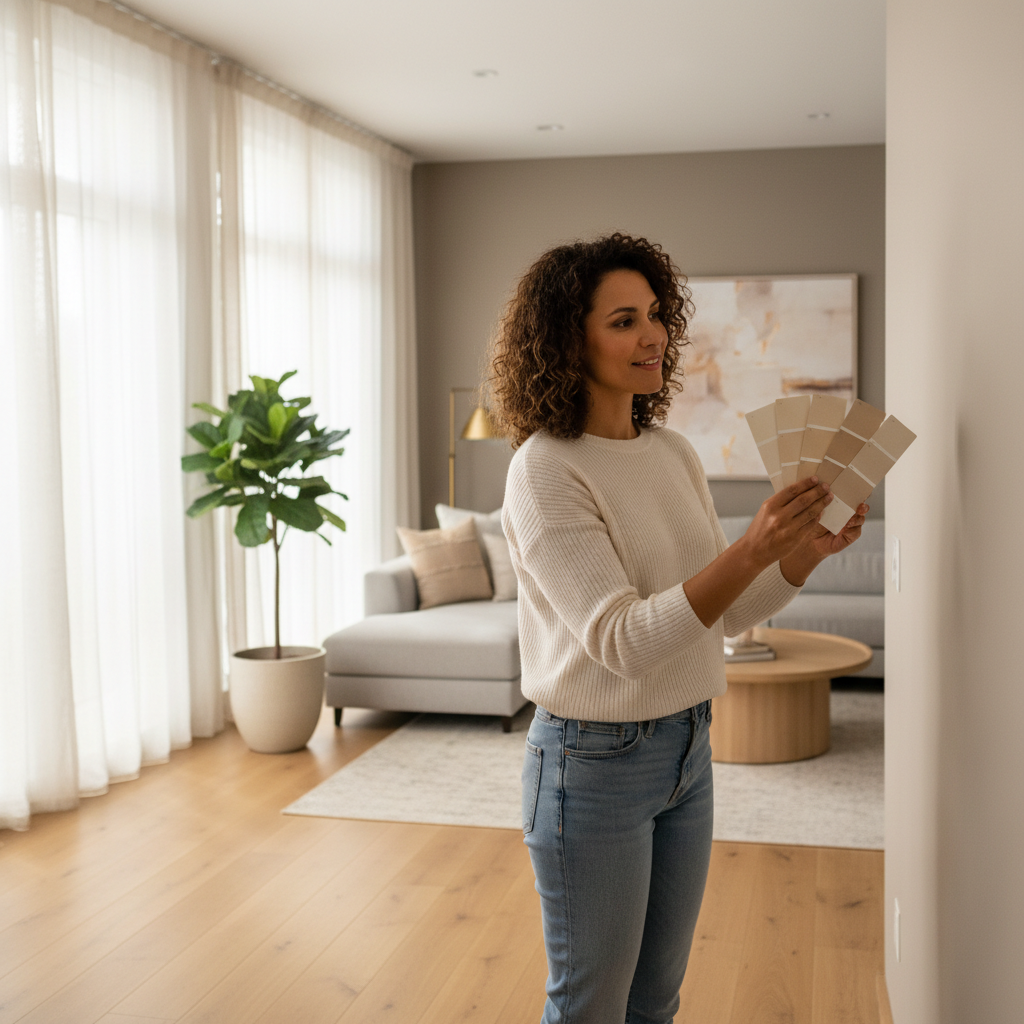
The color palette you choose can significantly impact the mood of a room. Soft, neutral tones can create a calming atmosphere, while bold, vibrant colors can energize a space. Consider how different colors make you feel and how they interact with natural light throughout the day.
If you're unsure where to start, look for inspiration in nature or art. A well-chosen color palette can tie together diverse elements, making your decor feel intentional and cohesive.
Incorporating Textures and Patterns
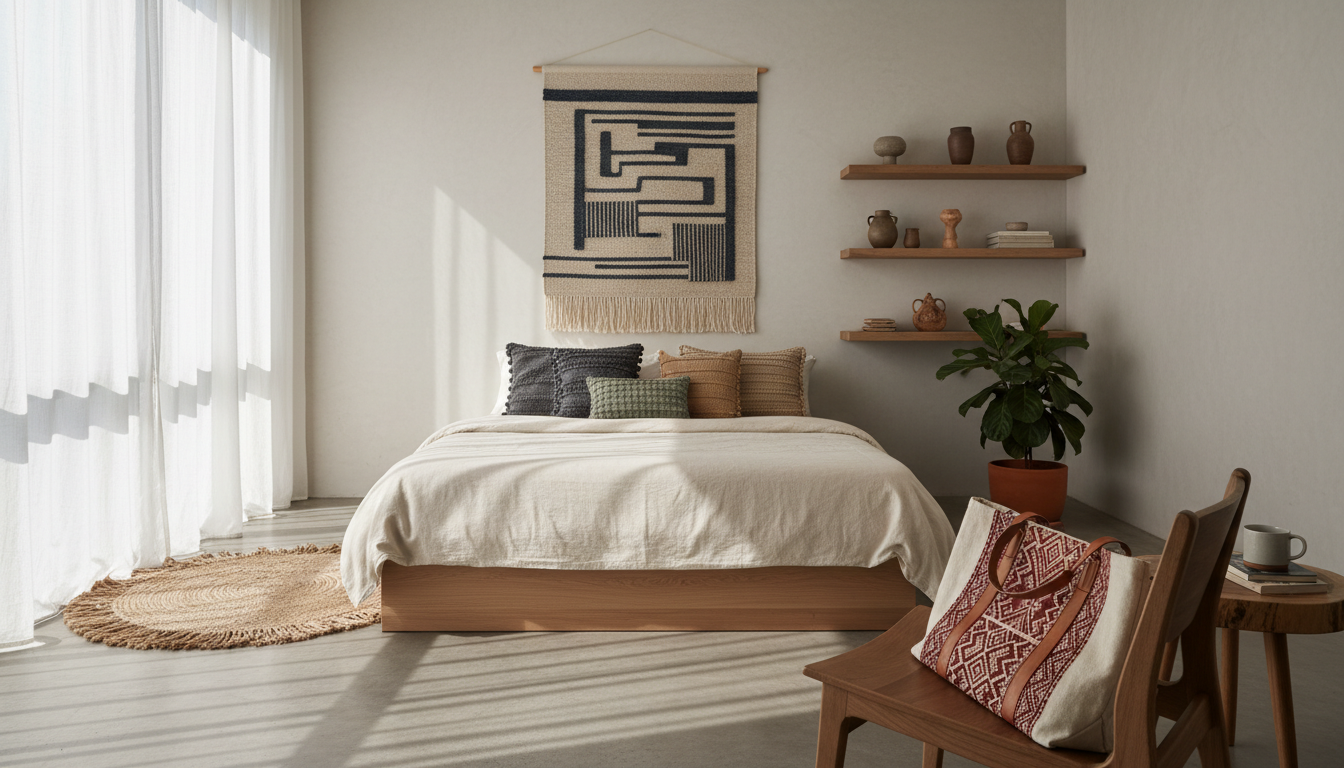
Textures and patterns add depth and interest to your home decor. Mixing materials like wood, metal, and fabric can create a layered look that feels dynamic and inviting. Patterns, whether in textiles or wall coverings, can inject personality and draw the eye to specific areas.
When working with patterns, start with a base and build from there. For instance, a patterned rug can serve as a focal point, with complementary patterns introduced through throw pillows or artwork. Balance is key to avoiding a cluttered appearance.
Accessorizing with Purpose
Accessories are the finishing touches that bring a room together. Choose pieces that have personal meaning or serve a functional purpose. A well-curated collection of books, vases, and art can add character and warmth to a space.
Consider the scale and proportion of your accessories in relation to the room. Grouping items in odd numbers and varying heights can create visual interest and a sense of harmony.
Adapting to Trends Wisely
While trends can offer fresh ideas, it's important to approach them with caution. Incorporate trendy elements in small, easily changeable ways, such as through pillows, throws, or wall art. This allows you to update your decor without a significant investment if your tastes change.
Ultimately, the best home decor style is one that makes you feel comfortable and happy in your space. By blending timeless elements with a touch of current trends, you can create a home that feels both stylish and enduring.